
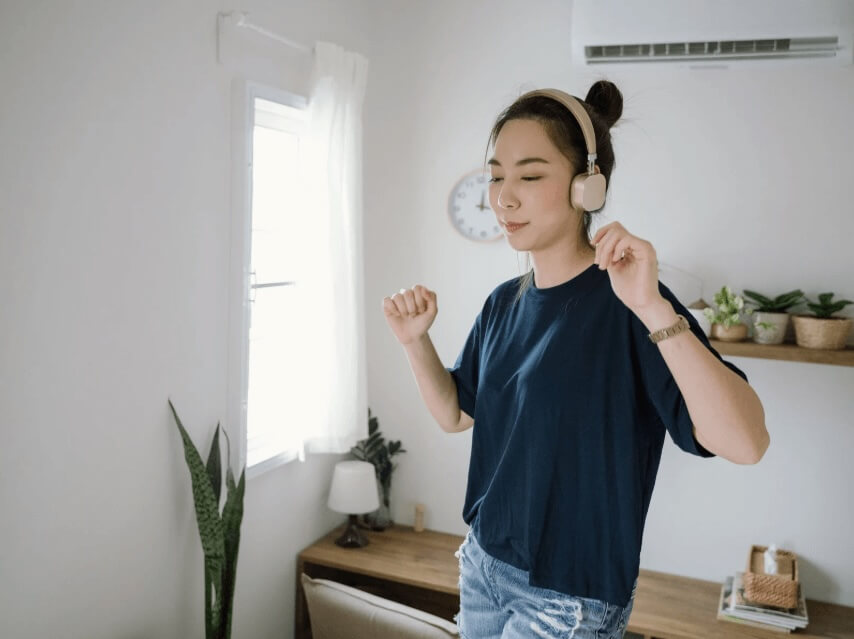
For some people, talking about their feelings or experiences can be helpful. For others, words can feel challenging, especially when emotions feel hard to explain or fully understand. Dance therapy can offer an alternative way of exploring mental health through movement, rhythm, and bodily awareness.
Rather than focusing primarily on words, this approach centers on the connection between the mind and body. It invites people to explore emotions physically and creatively. It’s not about performance or creativity; it’s about noticing how movement feels and what it may reveal.
As interest in holistic mental health care grows, dance therapy has become an increasingly searched and discussed topic. Whether you’re curious about therapy, already in therapy, or are simply looking to better understand yourself, learning about dance therapy can open the door to a different way of thinking about mental well-being.
What is dance therapy?
Dance therapy, also known as dance/movement therapy, is a therapy approach that uses movement to support emotional, psychological, and social well-being. It’s based on the idea that the mind and body are deeply connected, and that changes in movement can influence mood, emotional regulation, and self-perception.
The use of dance in a therapeutic setting has been credited to dance educator and performer Marian Chace. Chace worked with patients who struggled to express themselves verbally and observed that movement could help with emotional expression and connection.
Over time, these observations evolved into a structured approach that integrates psychology, movement, and creative expression.
Is dance and movement therapy effective?
A 2019 review suggested that dance movement therapy may be an effective intervention for adults experiencing depression. They found that it particularly helped in improving mood, body image, and sleep quality. Additionally, other studies have noted that dance movement therapy can decrease symptoms of depression and anxiety along with improving quality of life.
From a physiological perspective, movement can influence the nervous system and the brain. Research suggests that physical activity can influence neurotransmitter activity, such as the release of dopamine and serotonin, which can support mood. Research has also suggested that physical activity can help lower cortisol levels and improve sleep quality. Dance therapy builds on these by pairing movement with awareness, reflection, and support.
What can dance and movement therapy help with?
While experiences may vary from person to person, dance therapy has been explored as supportive for individuals navigating:
- Anxiety and stress
- Depression and low mood
- Trauma
- Chronic pain
- Chronic illness
- Body image concerns and low self-esteem
- Emotional regulation challenges
- Autism and sensory regulation challenges
- Grief and loss
- Life transitions
Dance therapy centers on increasing awareness, building emotional flexibility, and strengthening the connection between bodily sensations and emotions. This focus often overlaps with broader conversations around somatic therapy.
What to expect in dance and movement therapy
One common question people have is what a dance therapy session actually looks like. The answer is: it varies. Sessions are often tailored to the individual’s needs, comfort level, and goals. They can look very different from what people imagine when they hear the word “dance.“
A session may include elements such as:
- Gentle movement, yoga, or stretching
- Guided body awareness exercises
- Mindfulness or meditation practices
- Improvised movement or free expression
- Cultural or ethnic dance influences
- Breathing and grounding exercises
- Reflection through discussion, journaling, or art
Examples of dance therapy techniques
Dance therapy may involve a variety of techniques to foster awareness, connection, and emotional expression. Some commonly referenced techniques include:
- Mirroring: Mirroring is an exercise that involves mirroring each other’s movements. This can support feelings of being seen or understood.
- Rhythmic movement: Involves repetitive or rhythmic actions, such as jumping or swaying.
- Authentic movement: Authentic movement is a practice where individuals move freely while paying attention to how they feel rather than external cues.
- Body awareness techniques: These are exercises that often encourage noticing posture, tension, or sensation.
- Attunement: Attunement involves tuning into another person’s movements, behaviors, and emotions in the present moment. This may be followed by communication of that awareness, which can lead to feeling safe and connected.
These techniques can often be adapted based on individual needs and therapeutic goals.
Benefits of dance therapy
People who explore dance therapy for mental health may describe benefits that extend beyond emotional insight. While experiences can differ, benefits may include:
- Increased self-awareness
- Improved connection between mind and body
- Greater sense of calm and grounding
- Expanded coping strategies for stress
- Enhanced emotional expression
- Improved self-trust and self-confidence
For some people, dance therapy can feel more accessible than talk-based approaches. This can be especially true for people who struggle to find the right words for how they feel.
How to find a dance therapist
If you’re interested in exploring dance therapy, you may wonder how to find a dance therapist near you. Mental health professionals may hold specialized training and credentials, and they may identify as a dance and movement therapist. For example, a dance/movement therapist may hold the credential R-DMT (Registered Dance/Movement Therapist) or BC-DMT (Board Certified Dance/Movement Therapist).
When searching, you may consider looking for:
- Specialty or certification in dance or movement therapy
- Experience with your specific concerns
- Explanations of their approach
Platforms like findmytherapist.com can help you explore licensed therapists in your area. You can easily filter by therapeutic approach, availability, and insurances accepted.
Important considerations
Dance therapy may not be the right fit for everyone. Comfort and safety are important to the therapeutic experience, and it’s important to honor your preferences.
Some considerations include:
- Physical health limitations
- Comfort with movement or body-focused experiences
- Cultural or personal associations with dance
It’s also important to note that you don’t need to be “good at dancing” to benefit from dance therapy. Skill and performance are not the focus. What matters more is whether the approach feels supportive and aligned with your needs.
Takeaway
Dance therapy can offer a unique way to explore mental health through the body. It can invite movement to become a form of communication, reflection, and self-understanding. By shifting attention from words to physical experience, it may open new pathways for awareness and connection.
If you’re curious about movement-based or holistic approaches to mental health, learning about dance therapy can help you become more informed about available options. Whether you’re exploring therapy for the first time or are looking to understand how healing can look, movement-based approaches can remind us of how mental health can be related to physical sensations.
If you’re ready to explore therapy near you, you can browse licensed therapists on findmytherapist.com and find support that meets you where you are.